SNORING
Usually nothing serious
The NHS says snoring is very common and not usually caused by anything serious. It comes from the tongue, mouth, throat or nose vibrating as they relax in sleep.
Check a sleep scoreWHAT THE GUIDANCE SAYS
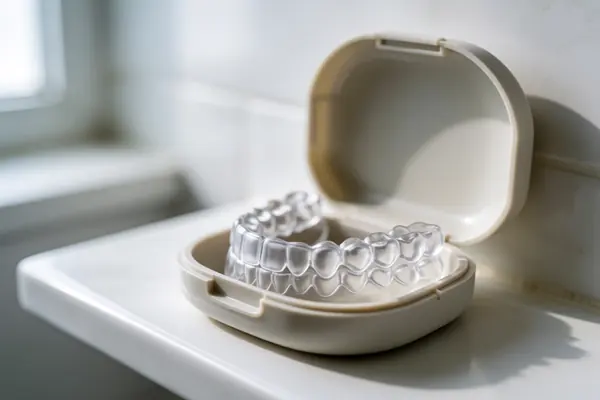
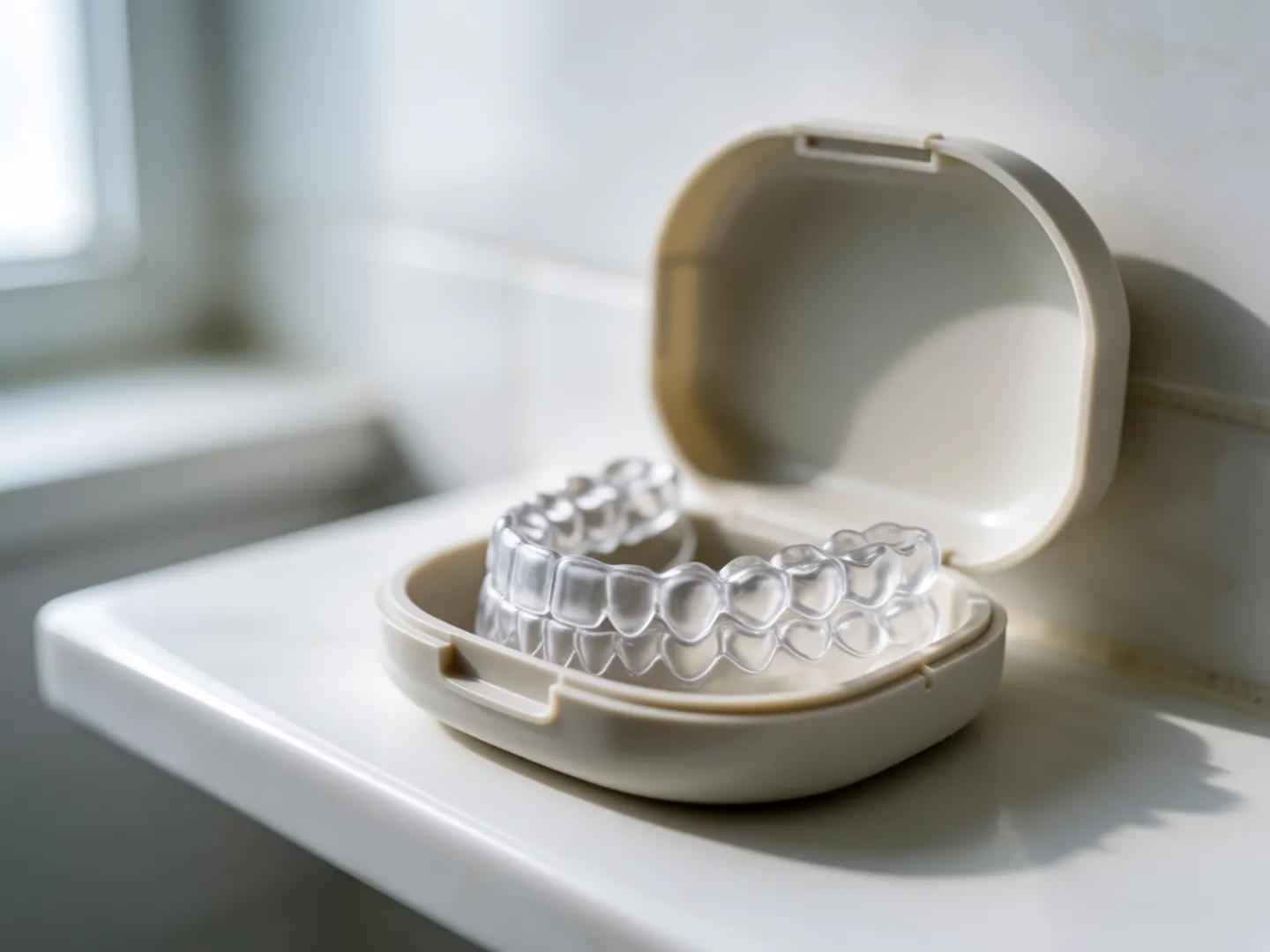
A device like a gum shield can hold the jaw forward while you sleep.
For some people who snore or have obstructive sleep apnoea, NHS and NICE guidance mentions a mouth splint made by a specially trained dentist. This independent guide explains what it is, who the guidance says it may suit, and why the first stop is a GP.

ABOUT 1 IN 20 have obstructive sleep apnoea
THE SHORT ANSWER
Snoring is very common and usually not serious.
Pauses in breathing are a different matter.
SNORING
The NHS says snoring is very common and not usually caused by anything serious. It comes from the tongue, mouth, throat or nose vibrating as they relax in sleep.
Check a sleep scoreSLEEP APNOEA
Obstructive sleep apnoea is when breathing stops and starts during sleep, often with gasping or choking noises. The NHS says to see a GP, as it can be serious if untreated.
See the numbersTHE SPLINT
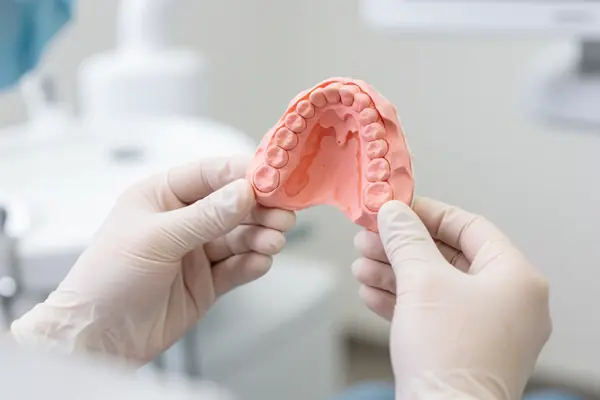
A mandibular advancement splint fits over the teeth and holds the jaw forward to leave more space at the back of the mouth. A specially trained dentist takes impressions and fits it.
How it worksGeneral information only, not medical advice. For advice about your own health, speak to a doctor, pharmacist or other qualified health professional.
READING A SLEEP TEST
A sleep clinic test shows how often breathing stops while you sleep, given as an AHI score. Pick a result to see how the NHS grades it and where NICE mentions a splint.
Based on the NHS sleep apnoea page and NICE guideline NG202. General information only, not personal medical or dental advice.
TWO NUMBERS WORTH KNOWING
One figure on how many people are affected,
one on what the law expects of drivers.
≈ 1 in 20
People affected by obstructive sleep apnoea
Asthma + Lung UK says OSA, the most common type of sleep apnoea, affects about 1 in 20 people. Both adults and children can have it, and it is more likely in older adults.
HOW COMMON · ASTHMA + LUNG UK
£1,000 max
Fine for not telling DVLA about a condition that affects driving
Drivers must tell DVLA about confirmed moderate or severe OSA with excessive sleepiness, and must not drive until symptoms are under control. Not telling DVLA can mean a fine of up to £1,000.
DRIVING · GOV.UK / DVLA
Without treatment, the NHS says sleep apnoea can lead to problems including high blood pressure, a higher chance of stroke, type 2 diabetes and heart disease.
HOW A SPLINT IS MADE AND CHECKED
Guidance describes a few clear stages. This is what each source says happens, not a recommendation to get one.
A GP may refer you to a sleep clinic, where devices check breathing and heartbeat overnight, often at home.
NICE says splints suit adults with healthy teeth and gums; decay, gum disease or few teeth can rule out some types.
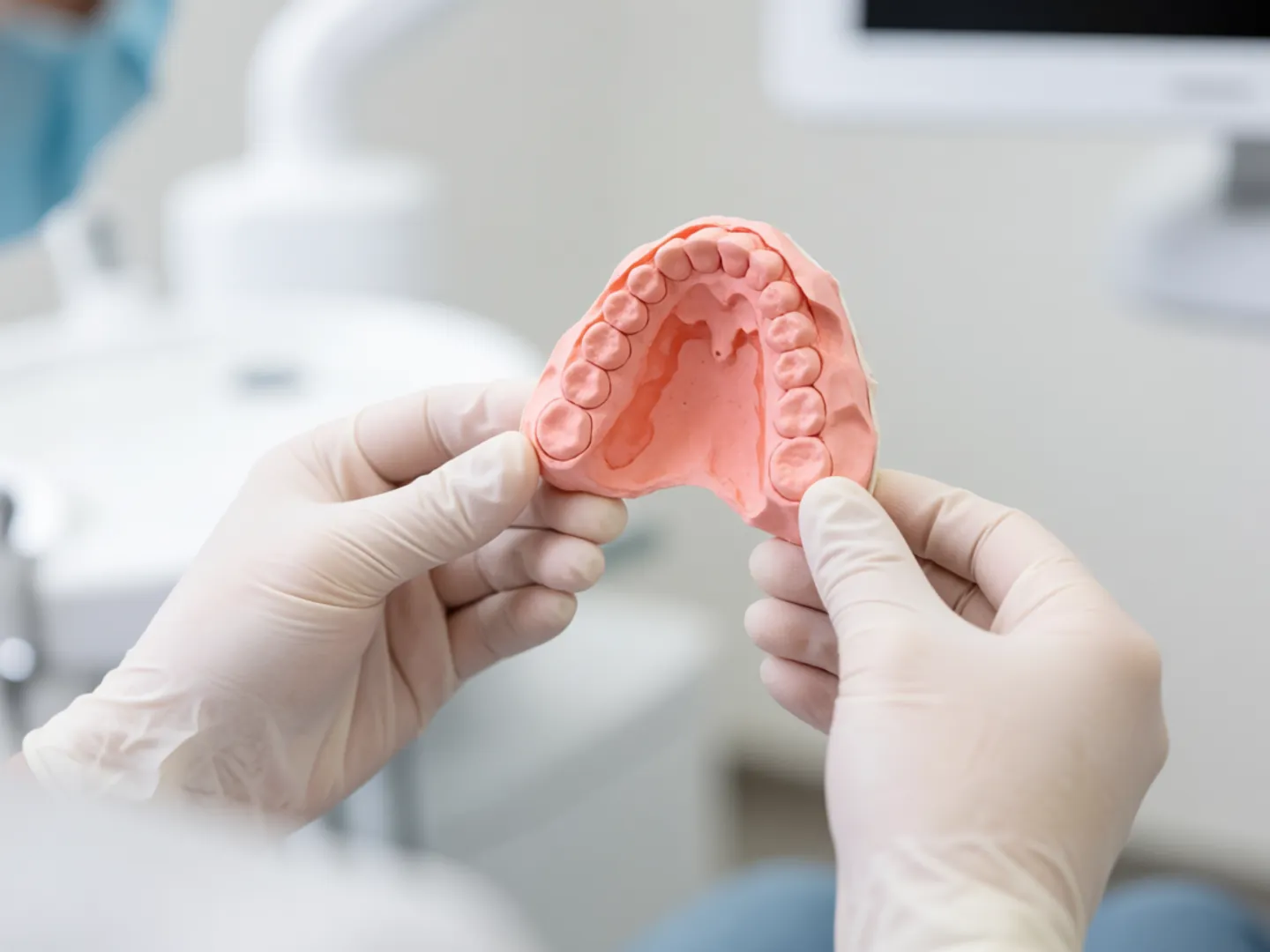
Asthma + Lung UK says a specially trained dentist takes an impression of the teeth and arranges for the splint to be made and fitted.
NICE recommends follow-up to review adjustment of the device and symptoms at 3 months, then as needed.
WHAT ELSE HELPS
For both snoring and sleep apnoea, the NHS lists the same everyday steps: losing weight if overweight, not smoking, not drinking too much alcohol, and sleeping on your side, for example with a tennis ball stitched to the back of your sleepwear.
The NHS also warns that sleeping pills can make sleep apnoea worse and should only be taken if a doctor recommends them. Surgery for snoring is not widely available on the NHS and does not always work.
Questions
No. The NHS says snoring is very common and usually not serious. Sleep apnoea is when breathing stops and starts during sleep, often with gasping, snorting or choking noises and daytime tiredness.
The NHS says to see a GP if lifestyle changes are not helping, if snoring has a big impact on your life, or if you feel sleepy in the day or your breathing stops and starts. Bringing a partner who has seen it can help.
A device worn in the mouth at night. It fits over the teeth like a gum shield and holds the lower jaw forward to leave more space at the back of the mouth.
NICE says to consider one for adults aged 18 and over with healthy teeth and gums. Semi-customised splints may be inappropriate for people with active gum disease, untreated decay, few or no teeth, or certain seizures.
GOV.UK says you must tell DVLA if you have confirmed moderate or severe OSA with excessive sleepiness, or another sleep condition causing excessive sleepiness for at least 3 months, including suspected or confirmed mild OSA.
Sources
ABOUT THIS NAME
dentalnap.com is part of the DoodleSale portfolio. It isn't in an auction right now, but you can ask about leasing it.